Eating When Upset: Can It Stall Weight Loss?
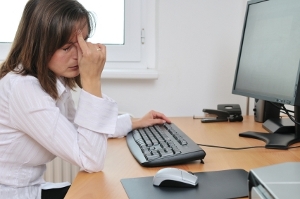
Most of us have done it at one time or another; scarfed down a big meal when we’re upset, angry or depressed about something. Have you ever noticed that you don’t feel so good after eating when upset? There are several reasons why it’s never a good idea to eat when you are angry, sad, stressed or laboring under any kind of negative emotion: #1 - You’ll eat more than you need
Strong emotions create a driving need within you, and many people answer that need by trying to “numb” the sadness, anger or fear with much more food than they need. While your emotions are roiling around, you also won’t be aware of that small inner voice that says, “I’m full, no need to eat any more”. You’ll just keep shoveling the food in without a thought to how your stomach feels, until it’s too late.
See: Change Your Relationship with Food
#2 - You’ll feel nauseous
Eating too much at one sitting is a sure way to make you feel nauseous, but also just eating when upset can contribute to an upset stomach. For that matter, just being upset at all can upset your stomach! You may notice cramping, tightness, or fluttering feelings when you are frightened or angry, and eating when your stomach feels like that maybe isn’t the best idea.
#3 - Your inhibitions will be down
Have you ever noticed that when you are angry or afraid, your inhibitions in other areas are lowered? For example, if you have a heated argument with your spouse you may not care about your weight loss goals at that moment - they seem distant and unimportant compared to the anger you are feeling. Unfortunately, this mental and emotional priority shift can cause you to “fall off the wagon” and stuff your face.
#4 - You’ll beat yourself up even more
After eating more than you really wanted to, you’ll naturally transfer your anger and sadness to the fact that you just “ruined” your diet (it’s not really ruined, but you may feel that way at the time). This will cause you to beat up on yourself for being weak and make you feel even worse.
The best way to avoid this emotional food roller coaster is of course to avoid eating when upset altogether. Even if you’re legitimately hungry, try to hold off eating until you have gotten your emotions under control. Spend five minutes taking slow, deep breaths to help calm you down.
Once you feel more in control emotionally, go ahead and eat your meal or snack, but be sure to stay detached from the issue that upset you in the first place while you do. Tell yourself that you can think about it again after you eat if you want to, but put it firmly out of your mind while eating.
This takes practice, especially if you tend to be an emotional eater. But it’s one of the best things you can do to help you keep losing weight, and maintain a healthy weight once you’ve reached your goal weight.
Must ReadEnd Emotional Overeating: Get to the Root Cause
How a Positive Attitude Can Help You Lose Weight

FitWatch makes weight loss simple by doing all the counting for you and giving you down-to-earth weight loss information, tips and tricks you can actually use in your everyday life to lose weight and get fit. Eat better, move more and believe in yourself with FitWatch! Start exploring FitWatch. Follow us on Google+